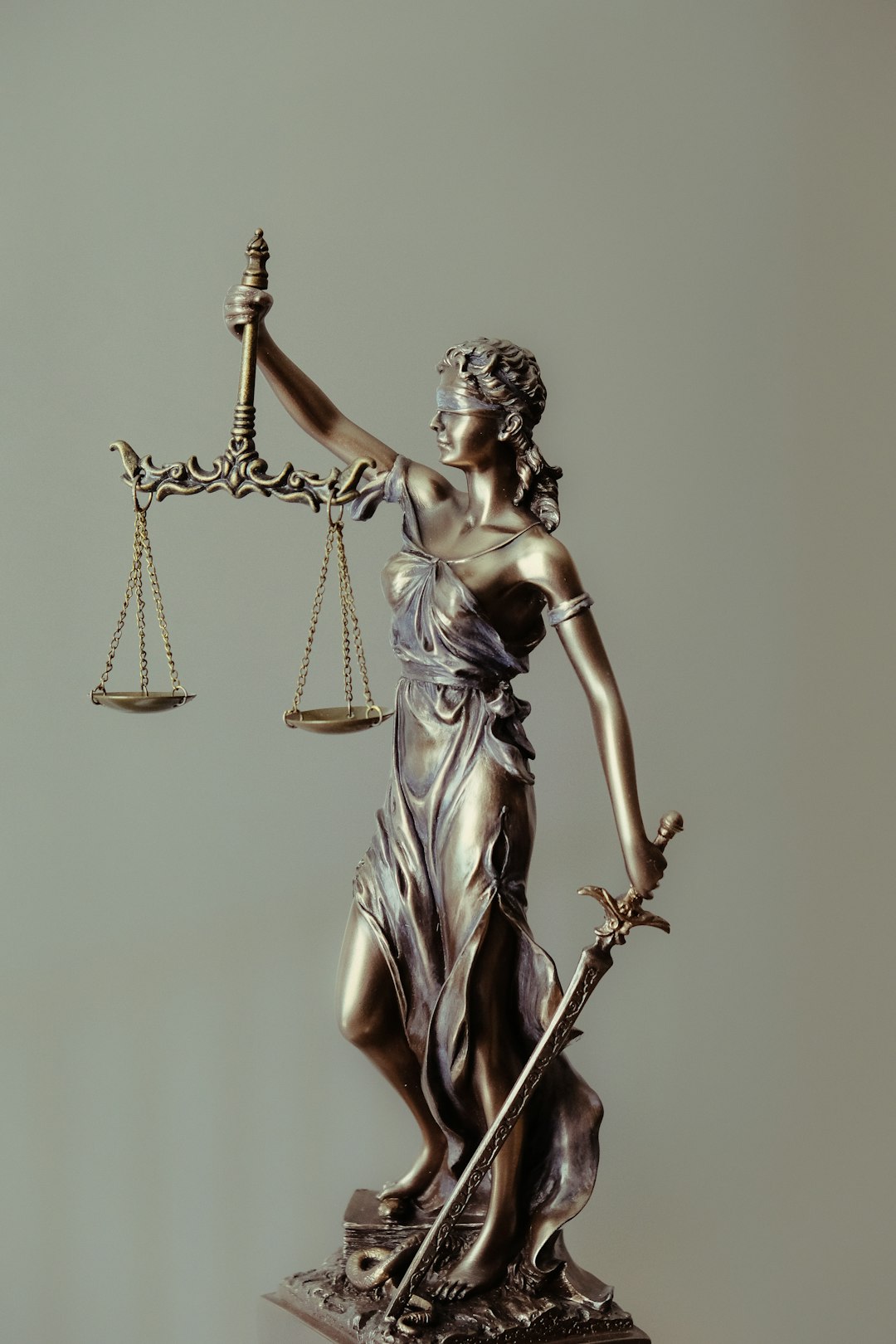
Iowa's debt collection laws protect consumers from harassment and unfair practices by collectors. Mistaken identity is a significant issue, with 40% of consumers reporting errors. Consulting a lawyer for debt collector Laws Iowa is crucial to resolve mistakes promptly and fairly. These professionals guide debt collectors through validation, verification, and post-collection disputes, ensuring compliance with the Fair Debt Collection Practices Act (FDCPA). Consumers facing mistaken identity should gather evidence, document interactions, and challenge debt validity under FDCPA for potential dismissal or reduction. Engaging a lawyer enhances defenses and improves favorable outcome chances in complex legal procedures.
In the complex landscape of debt collection, mistaken identity is a significant concern for consumers. With Iowa debt collection laws playing a pivotal role in protecting individuals from unfair practices, understanding these regulations is crucial. Many Iowans face challenges when they are incorrectly associated with outstanding debts, leading to stress and legal complications. This article provides an in-depth analysis of the state’s laws regarding mistaken identity claims, offering valuable insights for both debtors and those seeking resolution. Engaging with a knowledgeable lawyer for debt collectors in Iowa can offer clarity and advocacy during these intricate legal matters.
Understanding Iowa's Debt Collection Laws

Iowa’s debt collection laws are designed to protect both debtors and creditors, ensuring fair practices and procedures. When a debtor alleges mistaken identity, understanding these laws becomes crucial. If you’re involved in such a situation, consulting a lawyer for debt collector laws Iowa is a wise step.
The Iowa Code Chapter 535 regulates debt collection activities within the state, providing guidelines on how collectors can interact with debtors. One key aspect is the requirement for collectors to verify the debt’s validity and the debtor’s identity before initiating contact. This verification process includes obtaining the correct legal name, address, and other identifying information. Any misidentification can lead to potential legal repercussions under Iowa law. Debtors have the right to dispute the debt and request validation from the collector, who must provide supporting documentation within a reasonable timeframe.
Moreover, Iowa’s laws set limits on collection methods, including restrictions on phone calls, emails, and physical visits. Collectors must refrain from harassing or threatening language, using false or deceptive statements, or engaging in unfair practices. A violation of these rules can result in legal action against the collector. In case of a mistaken identity, this knowledge empowers debtors to protect their rights, ensuring that any debt collection efforts are conducted fairly and legally. Seeking expert advice from a lawyer specializing in Iowa’s debt collector laws is essential for navigating such complex situations effectively.
Protecting Your Rights Against Mistaken Identity
In Iowa, protecting your rights against mistaken identity in debt collection is a crucial aspect of consumer protection. When individuals are mistakenly identified as owing a debt they do not owe, it can lead to significant stress and financial harm. According to recent data, over 40% of consumers have reported instances of mistaken identity in debt collection practices, with many cases going unresolved due to the complexity of navigating legal systems. An Iowa lawyer for debt collectors plays a vital role in ensuring that these errors are corrected promptly and fairly.
Consumers facing such situations should document every interaction with the debt collector meticulously. This includes recording dates, times, and details of conversations, as well as any correspondence via mail or email. Such records can be invaluable when disputing the debt. Additionally, individuals have the right to request verification of the debt from the collector, who must provide specific information such as the original creditor, amount owed, and date the debt was incurred. Many consumers find it beneficial to consult with a lawyer for debt collectors in Iowa to understand their rights and navigate the process effectively.
If the debt is indeed a result of mistaken identity, legal action can be taken against the collector for violations of state laws. The Fair Debt Collection Practices Act (FDCPA) prohibits abusive, false, or misleading practices by debt collectors. A lawyer specializing in this area can help clients pursue damages and ensure that collectors adhere to these regulations. By understanding their rights and enlisting the aid of a qualified professional, consumers can protect themselves from unfair treatment and resolve mistaken identity issues efficiently.
The Role of a Lawyer for Debt Collectors in Iowa
In Iowa, debt collectors operating within the state’s legal framework must adhere to strict regulations, particularly when dealing with mistaken identity claims. A lawyer for debt collector laws in Iowa plays a pivotal role in ensuring these processes are handled correctly. These legal professionals guide debt collectors through the intricate web of consumer protection laws, fair debt collection practices, and procedures for verifying identities before initiating any collection actions. For instance, according to the Federal Trade Commission (FTC), over 90% of consumer complaints regarding debt collection in 2021 involved errors related to identity, emphasizing the need for meticulous attention to detail by both collectors and their legal counsel.
A lawyer specializing in these laws can provide crucial expertise in pre-collection activities, such as validation of the debt and the consumer’s identification. This involves verifying that the debt exists and that the individual being contacted is indeed the one responsible for it. Failure to do so can lead to significant legal repercussions, including potential damages awarded to consumers who have been wrongfully targeted. For example, in a 2018 case, a federal court awarded $1 million to a consumer who was subjected to repeated harassment by a debt collector after being mistakenly identified as another individual.
Moreover, these lawyers assist in navigating post-collection disputes, particularly when consumers contest the validity of the debt or the methods employed to collect it. They can provide strategic guidance on how to handle such situations while adhering to Iowa’s fair debt collection practices act, ensuring that collectors do not employ aggressive or harassing tactics. By engaging a lawyer for debt collector laws in Iowa, collection agencies can enhance their operational legitimacy, minimize legal risks, and foster better consumer relationships.
Navigating Legal Procedures for Wrongful Debts
Navigating legal procedures for wrongful debts in Iowa involves a meticulous understanding of state laws and regulations, particularly when dealing with mistaken identity claims. If you find yourself owing a debt due to someone else’s misidentification, it is imperative to take immediate action. The first step is to gather comprehensive evidence demonstrating the error, including any identification documents, communication records, or statements from witnesses who can attest to your correct identity. Once armed with these details, an individual should consider retaining a lawyer for debt collectors in Iowa for expert guidance tailored to their unique situation.
Legal experts recommend that individuals maintain a detailed record of all interactions with debt collectors, including dates, communication channels, and the substance of discussions. This documentation can be crucial when disputing the debt. In Iowa, consumers have specific rights under the Fair Debt Collection Practices Act (FDCPA), which protects them from abusive or deceptive practices by debt collectors. A lawyer for debt collectors in Iowa can help clients understand these rights and ensure their protection throughout the dispute process. For instance, a consumer may be entitled to demand validation of the debt, requiring the collector to provide proof that the debt is legitimate.
If the mistaken identity claim is valid, the next step involves working with the debt collection agency or creditor to rectify the error. This might include requesting a written apology and the correction of any inaccurate information in their records. In some cases, legal action may be necessary if the collector persists in pursuing the incorrect debt. Retaining legal counsel can significantly enhance the chances of a favorable outcome, as lawyers for debt collectors in Iowa are intimately familiar with state laws and court procedures related to these disputes. By employing strategic legal tactics, individuals can resolve their issues more efficiently and protect their financial well-being.
Strategies to Win Your Mistaken Identity Claim

When faced with a mistaken identity claim in Iowa, understanding the state’s debt collection laws is paramount to securing a favorable outcome. Engaging the services of an experienced lawyer for debt collectors in Iowa becomes a strategic move, providing expertise tailored to navigate these legal waters. These professionals can offer valuable insights into the nuances of the law and help build a robust defense or negotiation strategy.
A key strategy involves meticulous documentation. Maintaining comprehensive records of all interactions, from initial contact to dispute resolution, is essential. This includes verifying the debtor’s identity and any information presented as proof of the mistaken identity. For instance, if a debt collector alleges a consumer owes a debt but identifies the wrong individual, presenting detailed documentation to prove the correct identity can be pivotal. This may include official identification documents, financial records, or witness statements. An Iowa lawyer for debt collectors can assist in organizing and presenting these materials effectively.
Another powerful approach is to challenge the validity of the debt using the Fair Debt Collection Practices Act (FDCPA). If a collector has violated any provisions of this federal law during their efforts to collect a supposedly mistaken debt, it could weaken their case significantly. For example, if the collector made false statements or used unfair tactics, a lawyer can help leverage these violations in your favor, potentially resulting in the debt being dismissed or reduced. Understanding the specific timelines and requirements set by the FDCPA is crucial, and an expert attorney can ensure compliance while building a strong defense.