
Iowa's Debt Collector Laws prioritize fairness and transparency between debtors and creditors through specific rules for collection agencies. Key aspects include limiting contact after debt verification, disclosing all fees, and consumers' right to verify debt and stop communication. Both parties must stay informed about these laws (Chapter 537 & LPFPA) to ensure ethical practices. Consumers have 60 days to file small claims complaints, requiring proper documentation and court adherence. Violations like harassment or false representation can lead to damages under Chapter 535.
The Iowa legal framework for debt collection complaints is a critical aspect of consumer protection, ensuring fair practices by debt collectors. However, navigating the complex web of state laws can be challenging for both debtors and creditors alike. This article delves into the intricate details of the debt collector laws in Iowa, providing a comprehensive guide to understanding your rights and obligations. By exploring key regulations and recent developments, we aim to empower individuals and businesses to navigate this process effectively, fostering a more transparent and equitable debt collection environment within the state.
Understanding Iowa's Debt Collection Laws
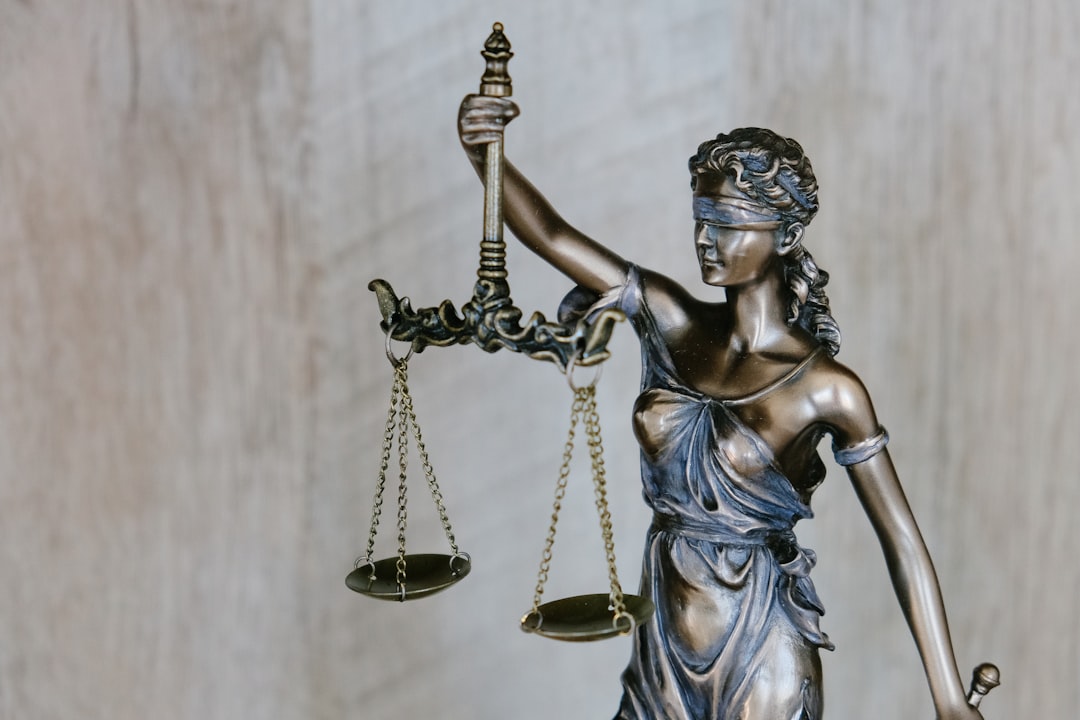
Iowa's legal framework for debt collection is governed by a series of state laws designed to protect both debtors and creditors. The Debt Collector Laws Iowa implement are among the most stringent in the nation, ensuring fair practices and transparent communication. Central to these regulations is the Iowa Code, which outlines specific rules for collection agencies and individuals engaged in debt recovery.
Key provisions include strict guidelines on when and how debt collectors can contact individuals, restrictions on using false or deceptive statements, and mandates for providing written notice and validation of debts. For instance, under Iowa law, collectors must cease contacting a debtor once they have verified the debt, unless the debtor initiates further communication. This ensures that debtors are not harassed or misled during the collection process. Additionally, the state requires collectors to provide a detailed breakdown of any fees assessed against the debt, promoting transparency and preventing arbitrary charges.
Practical insights for both consumers and collectors are abundant in these laws. Consumers should be aware of their rights, including the ability to request verification of debts and to stop further communication from collectors. Collectors, on the other hand, must adhere strictly to these regulations to avoid legal repercussions, ensuring that debt collection activities remain fair and ethical. Regularly updating knowledge of these laws is essential for both parties to navigate the complex landscape of debt collection in Iowa effectively.
Filing a Complaint: Procedures and Timeline

In Iowa, debt collection complaints are governed by the Debt Collector Laws, which establish clear procedures for individuals seeking redress against collectors. Filing a complaint is a crucial step for consumers to protect their rights and ensure fair practices. The process begins with understanding the timeline and requirements set forth by the Iowa Courts.
Consumers have 60 days from the date of the alleged violation to file a small claims complaint. This timely action is essential, as it triggers the legal mechanism for resolving debt collection disputes. The complaint must be filed with the appropriate county court, specifically designed to handle smaller civil matters. A key consideration here is proper documentation, which should include details such as the amount owed, communication logs with the debt collector, and any relevant contracts or agreements. For instance, a consumer facing persistent harassment from a debt collector could gather records of phone calls, emails, or letters, all of which can serve as evidence to support their case.
Upon filing, the court will issue a summons and subpoena, notifying the debt collector to appear in court. This formal notice sets in motion a series of events, including potential negotiations or hearings. It's during these proceedings that consumers can present their evidence, argue their case, and seek damages if justified. The Iowa legal framework encourages swift resolution, emphasizing the importance of both efficiency and fairness in debt collection practices.
Rights of Consumers vs. Debt Collectors

In Iowa, the legal framework governing debt collection complaints is designed to protect both consumers and debt collectors while ensuring fair practices. The Debt Collector Laws in Iowa are codified under Chapter 537 of the Code, which outlines various provisions to regulate the conduct of debt collectors. One key aspect is the balance between the rights of consumers and those of debt collectors.
Consumers have a right to be treated fairly and respectfully during debt collection processes. They are protected from harassment, threats, or false information. For instance, debt collectors cannot make misleading statements about the legal consequences of non-payment or use abusive language. If a consumer feels their rights have been violated, they can file a complaint with the Iowa Attorney General's Office, which actively enforces these laws to ensure debt collection practices remain ethical and transparent.
On the other hand, debt collectors also possess legal rights and responsibilities. They must adhere to specific rules when attempting to collect debts, including providing proper notice and verifying the debt before taking certain actions. For example, debt collectors in Iowa are prohibited from calling consumers at inappropriate times or using abusive or harassing tactics. They must also ensure that any information they obtain is accurate and can be verified, as per the Fair Debt Collection Practices Act (FDCPA).
Practical insights for both parties involve maintaining thorough records and staying informed about legal updates. Consumers should keep a record of all communications with debt collectors, including dates, times, and content. Debt collectors should stay abreast of changing regulations to avoid any violations that could lead to significant penalties or damage their reputation. By understanding their rights and responsibilities, consumers and debt collectors can navigate these interactions more effectively and efficiently.
Legal Protections and Fair Practices Act
The Iowa Legal Protections and Fair Practices Act (LPFPA) serves as a cornerstone of the state's framework for regulating debt collection practices, ensuring fair treatment of both consumers and debt collectors. This legislation is designed to prevent abusive or misleading tactics often employed in the debt collection industry while promoting transparent and ethical interactions. The LPFPA outlines specific rules that debt collectors must adhere to when communicating with Iowa residents, offering crucial safeguards against harassment, false representations, and unreasonable demands.
One of the key provisions focuses on communication methods, restricting debt collectors from using abusive or harassing language and limiting frequent contact attempts. Additionally, the act mandates clear and accurate disclosure of the debtor's rights, including the right to verify the debt and request validation from the collector. This transparency encourages consumers to actively participate in the debt collection process, ensuring they understand their obligations and rights. For instance, if a consumer disputes a debt, the LPFPA requires collectors to cease further contact until the matter is resolved, giving individuals a sense of control and peace of mind.
Moreover, the LPFPA sets limits on fees and charges, preventing excessive or illegal collection practices. It also provides a mechanism for consumers to seek legal recourse if they believe their rights have been violated. According to recent data, Iowa's strict debt collection regulations have led to a significant reduction in consumer complaints, indicating that the LPFPA effectively fosters a more accountable and fair debt collection environment. To stay informed, individuals facing debt collection issues should consult local legal experts who can offer tailored advice based on the evolving landscape of Iowa debt collector laws.
Resolving Disputes: Options and Outcomes

Iowa's legal framework provides a structured approach to resolving debt collection disputes, ensuring fairness for both consumers and debt collectors. When a consumer believes they have been treated unfairly by a debt collector, they have several options to pursue. According to the Iowa Code Chapter 535, debt collectors must adhere to specific regulations, including fair and honest collection practices. This legislation empowers consumers with the right to challenge inaccurate or unjust claims.
One key outcome in dispute resolution is the potential for consumers to seek damages if a debt collector violates the law. These violations may include harassment, false representation, or the use of threatening language. The Iowa courts have consistently upheld the rights of consumers, awarding compensation for emotional distress and other harm caused by abusive collection tactics. For instance, a recent case highlighted a consumer's successful claim against a debt collector who repeatedly made false representations about the debt, resulting in a substantial monetary judgment.
Practical advice for consumers facing debt collection disputes is to document every interaction with the collector. This includes keeping detailed records of communications, such as dates, times, and a summary of discussions. If the dispute escalates, consulting with an attorney specializing in consumer rights can be beneficial. They can navigate the complexities of Iowa's debt collection laws and help negotiate a favorable outcome, ensuring consumers' rights are protected throughout the process.