
Iowa consumers are protected from debt collection harassment by state laws (Iowa Code § 537.4201 et seq.). Document interactions, communicate concerns, and consult a lawyer for debt collector laws in Iowa to validate debts, file complaints, and take legal action under the Fair Debt Collection Practices Act (FDCPA). Proactive measures prevent further harassment and ensure consumer rights are upheld.
In today's financial landscape, consumer protection against aggressive debt collection practices is paramount. Many Iowans face relentless harassment from debt agencies, leading to significant stress and legal complexities. This article delves into the rights of consumers under Iowa law when dealing with debt collectors. We explore the regulations that restrict abusive collection methods and provide a comprehensive guide on how individuals can protect themselves against such practices. Understanding one's rights is crucial, especially when considering whether to involve a lawyer for debt collector issues in Iowa. By the end, readers will be equipped with valuable insights to navigate this challenging domain.
Understanding Iowa's Laws Against Debt Collector Harassment
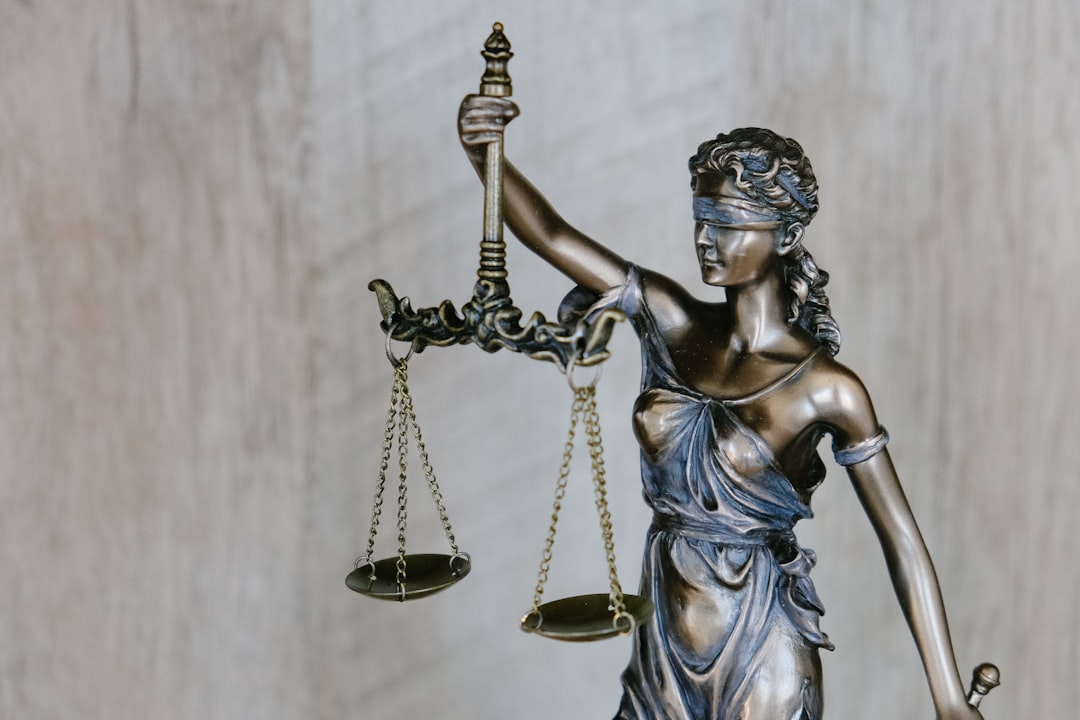
Iowa has put in place stringent laws to protect consumers from harassment by debt collection agencies, ensuring a fair and respectful process for managing debts. These laws are designed to maintain balance and prevent abusive practices that can cause significant distress to individuals already facing financial challenges. The Iowa Code § 537.716 provides a comprehensive framework, outlining the permitted and prohibited actions of debt collectors within the state.
A key aspect is the restriction on communication methods and frequency. Debt collectors are restricted from contacting consumers in an aggressive or abusive manner, including repeated calls with intent to annoy or harass. They cannot make contact at inconvenient times or places, such as before 7:00 a.m. or after 9:00 p.m., unless the consumer consents otherwise. These restrictions aim to prevent consumers from feeling pressured or intimidated. Moreover, debt collectors must identify themselves and their employers, providing consumers with the right to verify the validity of the debt and challenge its accuracy if necessary.
If a consumer feels harassed or believes their rights have been violated, they have legal recourse. Consulting with an experienced lawyer for debt collector laws in Iowa can be invaluable. Legal experts can guide individuals through the process of filing a complaint with the Iowa Attorney General's Office or taking legal action against abusive collection agencies. By understanding and leveraging these protections, consumers in Iowa can navigate debt management with greater peace of mind, ensuring their rights are upheld throughout the process.
Your Rights: What You Can Do If Harassed by a Debt Agency

If you're facing harassment from debt agencies in Iowa, understanding your rights is a crucial step towards protecting yourself. According to the Consumer Financial Protection Bureau (CFPB), approximately 43% of Americans have experienced collection agency harassment, highlighting the pervasiveness of this issue. In Iowa, state laws offer consumers significant safeguards against abusive practices, particularly when dealing with debt collectors.
Iowa has implemented strict regulations to curb debt collector harassment, empowering individuals to take action if their rights are violated. The Iowa Code § 537.4201 et seq. provides a framework for addressing unfair collection practices. If you perceive that a debt agency has crossed the line, consider documenting every interaction and communicating your concerns to both the agency and the Iowa Attorney General's Office. Retaining a lawyer specializing in debt collector lawsuits in Iowa can offer invaluable guidance and representation. These legal professionals are equipped to navigate complex state laws and ensure your rights are upheld.
Practical steps include requesting validation of the debt, which entitles you to verify the amount and legitimacy of the claim. If harassment persists, consult with a lawyer who can assist in sending cease-and-desist letters or even filing legal action under the Fair Debt Collection Practices Act (FDCPA) if federal laws have been violated. Remember, knowing your rights is empowering, and proactive measures can prevent further distress caused by debt collector harassment.
Finding Relief: Steps to Take with a Lawyer for Debt Collector Laws in Iowa

In Iowa, consumers facing debt collection issues have legal protections under the state's debt collector laws. If you're being harassed or abused by a debt agency, it's crucial to know your rights and take appropriate action. Engaging a lawyer for debt collector laws in Iowa is a strategic step towards finding relief and ensuring these agencies adhere to ethical practices.
The first step is to gather evidence of the harassment. Keep records of all communications with the debt collector, including dates, times, and content. Note any threatening or abusive language used and document any unauthorized disclosure of personal information. This documentation will be vital when presenting your case to a lawyer for debt collector laws in Iowa. For instance, if a collection agency has contacted you outside normal business hours or used obscene language, these instances can be used as evidence of misconduct.
When consulting with a lawyer, provide them with all relevant details and documents. They will analyze the situation and advise on the best course of action. A qualified attorney can help navigate the legal system and protect your rights. For example, they might file a complaint with the Iowa Attorney General's Office or take legal action against the debt collector for violating your rights under the Fair Debt Collection Practices Act (FDCPA). By involving a lawyer for debt collector laws in Iowa, you gain access to expertise that can lead to favorable outcomes and stop the harassment.
Remember, timely action is essential. The longer you wait, the more damage the debt agency might cause. A lawyer can help set reasonable limits on communication, ensure proper validation of debts, and demand cessation of harassing behaviors. They will advocate for your interests, ensuring that debt collection agencies operate within legal boundaries in Iowa.