
Iowa residents benefit from robust legal protections against unfair debt collection practices through the Fair Debt Collection Practices Act (FDCPA) and state laws like the Iowa Collection Agency Act. Debtors have rights to debt validation, dispute, and communication cessation. Debt collector Attorney Iowa specialize in consumer protection, interpret laws, intervene in violations, educate parties, and provide strategic advice. Document interactions, understand your rights under Iowa Code Chapter 535, file complaints with the Attorney General's Office, and consult an attorney for tailored guidance and legal action against unethical collectors. Timely reporting is crucial to protect yourself from debt harassment prohibited by the Iowa Debt Collection Act (IDCA).
In the modern economic landscape, understanding protections against unfair debt collection practices is paramount for consumers across Iowa. Debt collectors, while serving a crucial role in financial recovery, often employ aggressive tactics that can lead to significant consumer harm. This article delves into the legal framework designed to safeguard Iowans from abusive debt collection methods, with a particular focus on the rights and resources available to those facing such challenges. By exploring these protections, we aim to equip individuals with knowledge and empower them to engage with debt collectors—including attorney involvement in Iowa—as informed consumers.
Understanding Unfair Debt Collection Practices in Iowa
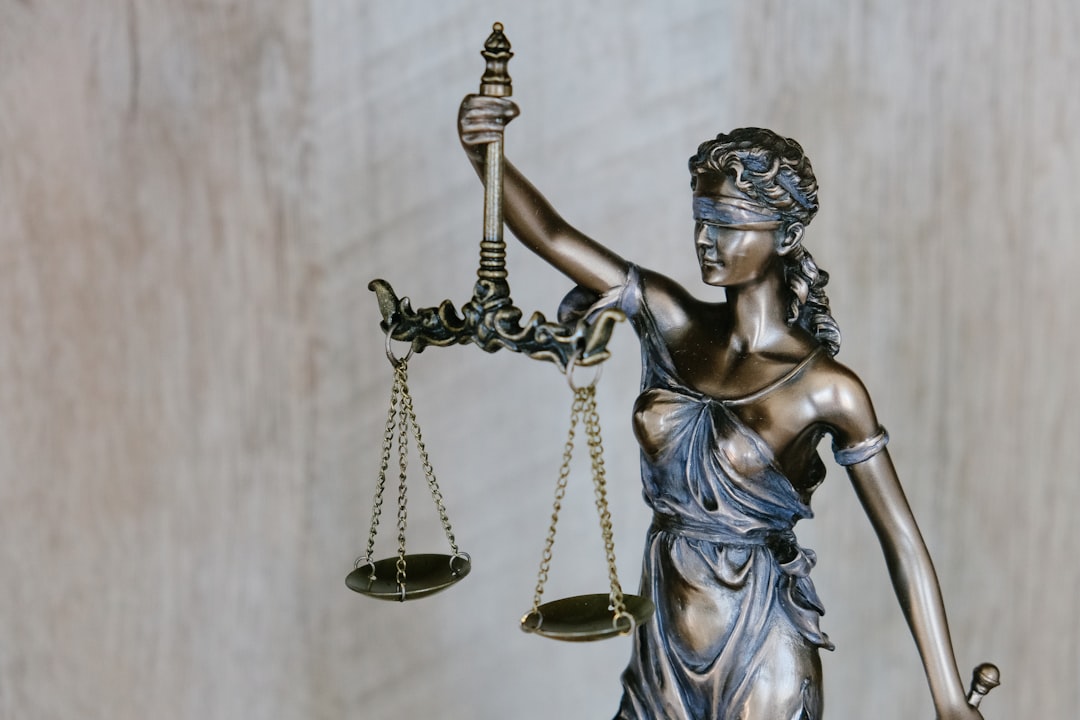
In Iowa, unfair debt collection practices are regulated by state and federal laws designed to protect consumers from aggressive or deceptive tactics. Understanding these practices is crucial for both debtors and debt collector Attorney Iowa professionals. Debts collected in Iowa fall under the Fair Debt Collection Practices Act (FDCPA), which outlines specific rules debt collectors must adhere to when attempting to recover debts. These include restrictions on the timing and manner of contact, prohibition against false or misleading statements, and a requirement to verify the debt’s validity if requested by the debtor.
Debt collector Attorney Iowa experts emphasize that knowledge is power for consumers. Debtors should be aware of their rights under the FDCPA, such as the right to request validation of the debt, the right to dispute the debt, and the right to stop communication from collectors through written requests. For instance, if a debtor receives harassing or threatening calls, they can file a complaint with the Federal Trade Commission (FTC) and the Iowa Attorney General’s Office. The FTC provides resources and guidelines on how to deal with unfair debt collection practices, offering practical insights into documenting interactions and understanding legal protections.
Iowa’s laws also address specific behaviors that are considered unfair, such as using abusive or threatening language, misrepresenting the amount owed, or promising to stop collection efforts without following through. Debt collector Attorney Iowa professionals advise debtors to keep detailed records of all communications with collectors, including dates, times, and content of conversations. This documentation can be invaluable if a dispute arises. Furthermore, consumers should never provide personal or financial information over the phone unless they have initiated contact and are certain of the collector’s legitimacy. Regularly reviewing one’s credit report can also help identify any inaccuracies or suspicious activity related to debt collection.
Legal Protections for Debtors in the State of Iowa

Iowa has established a robust framework of legal protections for debtors facing debt collection practices, ensuring fairness and safeguarding consumers’ rights. The state’s laws are designed to prevent abusive and unfair tactics employed by debt collectors, providing borrowers with recourse when dealing with such issues. One of the key pieces of legislation is the Iowa Collection Agency Act, which sets forth detailed guidelines governing the conduct of debt collectors operating within the state. This act prohibits collectors from engaging in fraudulent or deceptive practices, such as misrepresenting the character or amount of a debt, using threats, or employing harrowing language to intimidate debtors.
Debtors in Iowa are entitled to specific protections when dealing with debt collectors. For instance, collectors must provide written validation of the debt, including information about the original creditor and the amount owed. This ensures transparency and allows individuals to verify the legitimacy of the debt. Furthermore, the Fair Debt Collection Practices Act (FDCPA), a federal law, complements Iowa’s state laws, offering additional safeguards. The FDCPA restricts debt collectors from contacting debtors at unreasonable times or places, using obscene language, or employing unfair means to collect debts. It also empowers consumers to dispute the validity of a debt and request verification from the collector.
Should a debtor encounter unfair debt collection practices, they have legal recourse. Iowa allows individuals to file complaints with the state’s Attorney General’s Office or seek legal action against the offending collector. A debt collector attorney in Iowa can provide expert guidance on navigating these complexities, ensuring debtors’ rights are upheld. Many cases can be resolved through negotiations or alternative dispute resolution methods, avoiding prolonged litigation. However, when necessary, debtors can file lawsuits for damages incurred due to violations of their protective rights.
The Role of a Debt Collector Attorney Iowa

In Iowa, debt collector Attorney Iowa play a pivotal role in ensuring that consumers are protected from unfair and abusive debt collection practices. These attorneys specialize in navigating the complex landscape of consumer protection laws, which include regulations such as the Fair Debt Collection Practices Act (FDCPA). Their expertise lies in interpreting these laws and advocating for individuals who may be subjected to unethical collection tactics. For instance, a debt collector Attorney Iowa can intervene when a creditor or collection agency violates a client’s rights by making harassing phone calls, using false or misleading statements, or demanding excessive fees.
A key responsibility of these legal professionals is to educate both consumers and debt collectors about their respective rights and obligations. They organize workshops, webinars, and community outreach programs to raise awareness about debt collection laws, empowering individuals to recognize and report abusive practices. According to a study by the Federal Trade Commission (FTC), one in five consumers reported being treated unfairly by debt collectors within the past five years, highlighting the critical need for these attorneys’ services. By staying abreast of legal precedents and legislative changes, debt collector Attorney Iowa can offer strategic advice that helps clients resolve disputes effectively and prevent future violations.
Additionally, when a dispute arises between a consumer and a creditor, a debt collector Attorney Iowa can represent their client in negotiations, mediations, or even litigation. They possess the legal acumen to construct robust defenses against baseless claims and ensure that their clients’ rights are upheld. Their involvement can lead to more favorable outcomes, including the dismissal of unfounded complaints or the negotiation of reasonable settlement agreements. This not only provides financial relief to consumers but also serves as a deterrent to other debt collectors who might consider employing unfair practices.
Step-by-Step Guide: Reporting Unfair Practices to Iowa Authorities

If you’re facing unfair debt collection practices in Iowa, understanding your rights and taking swift action is crucial. Here’s a step-by-step guide on how to report these issues to the appropriate authorities, ensuring justice and protection as per Iowa law. Begin by gathering all relevant information regarding the debt collector and the alleged unfair practice. This includes their contact details, communication logs, any threats or abusive language used, and the specific conduct that concerns you. For instance, if a debt collector has misrepresented themselves, violated your privacy, or employed aggressive tactics, note these down.
Next, familiarize yourself with the Iowa Code Chapter 535, which outlines the state’s regulations against unfair debt collection practices. This law prohibits collectors from engaging in deceptive, misleading, or harassing behavior. It also caps the amount of money a collector can charge for their services. Knowing your rights under this legislation is essential when documenting and reporting unfair actions. For example, if a collector has charged you an excessive fee or threatened legal action without intent to follow through, these are clear violations.
Once you have your facts, file a complaint with the Iowa Attorney General’s Office. This state-level authority oversees consumer protection, including debt collection practices. You can submit your complaint online or via mail, providing detailed descriptions of the unfair practices and any supporting documentation. The AG’s office will review your case and determine if there’s sufficient evidence to take further action. If your complaint is valid, they may investigate the debt collector, issue cease-and-desist letters, or even file legal charges against them.
Consider seeking advice from a debt collector Attorney Iowa for guidance throughout this process. Legal professionals specializing in this area can offer tailored support, ensuring you’re fully informed about your rights and options. They can also assist in drafting comprehensive complaints and representing you if the matter progresses to court. Remember, timely reporting of unfair debt collection practices is vital to protect yourself and hold collectors accountable.
Rights and Resources for Iowa Residents Facing Debt Harassment
Iowa residents facing debt harassment have specific rights and resources available to them under state law. The Iowa Debt Collection Act (IDCA) protects consumers from unfair, deceptive, or harassing collection practices by debt collectors. This legislation provides a framework for how debt collectors must conduct themselves when attempting to collect on debts owed by Iowa residents. According to the Federal Trade Commission (FTC), Iowa has one of the highest rates of consumer complaints related to debt collection in the country, highlighting the importance of understanding and asserting these rights.
One of the key protections under the IDCA is the requirement for debt collectors to obtain verification of the debt from the creditor before contacting the consumer. This means that if you receive repeated calls or other forms of harassment from a debt collector, you can demand proof that the debt truly exists and belongs to you. Additionally, debt collectors are prohibited from using intimidating, misleading, or harassing tactics when attempting to collect on debts. This includes threatening language, misrepresenting the legal consequences of non-payment, or using abusive or obscene language.
If you believe you are a victim of debt harassment in Iowa, it is crucial to take immediate action. Consulting with a debt collector Attorney Iowa can provide valuable guidance and representation. Legal experts in this field can help you navigate the complexities of debt collection laws and ensure your rights are protected. They can also assist in communicating with debt collectors on your behalf, sending cease and desist letters, and pursuing legal action if necessary. Remember, understanding your rights is the first step toward resolving debt harassment effectively.