
Iowa's robust debt collection laws protect consumers through strict rules for collectors, including limited contact attempts, debt validation within five days, and cessation of communication after three unsuccessful tries. The Iowa Attorney General oversees compliance, investigates complaints, and educates stakeholders about rights and responsibilities. Key consumer rights include debt verification, reasonable contact hours, "do not contact" letters, and legal action against violators. Lawyers specializing in lawyer for debt collector laws Iowa are crucial for navigating complex regulations, preventing abusive language or tactics, and protecting consumers' financial well-being.
Debt collection practices significantly impact both lenders and borrowers, with fair and transparent processes being paramount for a healthy economic environment. However, navigating the complexities of debt collection laws can be challenging. This is especially true in Iowa, where adherence to stringent regulations is crucial. Lenders must ensure their representatives follow ethical guidelines, or face scrutiny from the Attorney General’s office and potential legal repercussions, including sanctions against a lawyer for debt collector practicing in Iowa. This article delves into the mechanisms by which Iowa enforces fair debt collection practices, offering insights that can help both industry professionals and consumers alike.
Understanding Iowa's Fair Debt Collection Laws
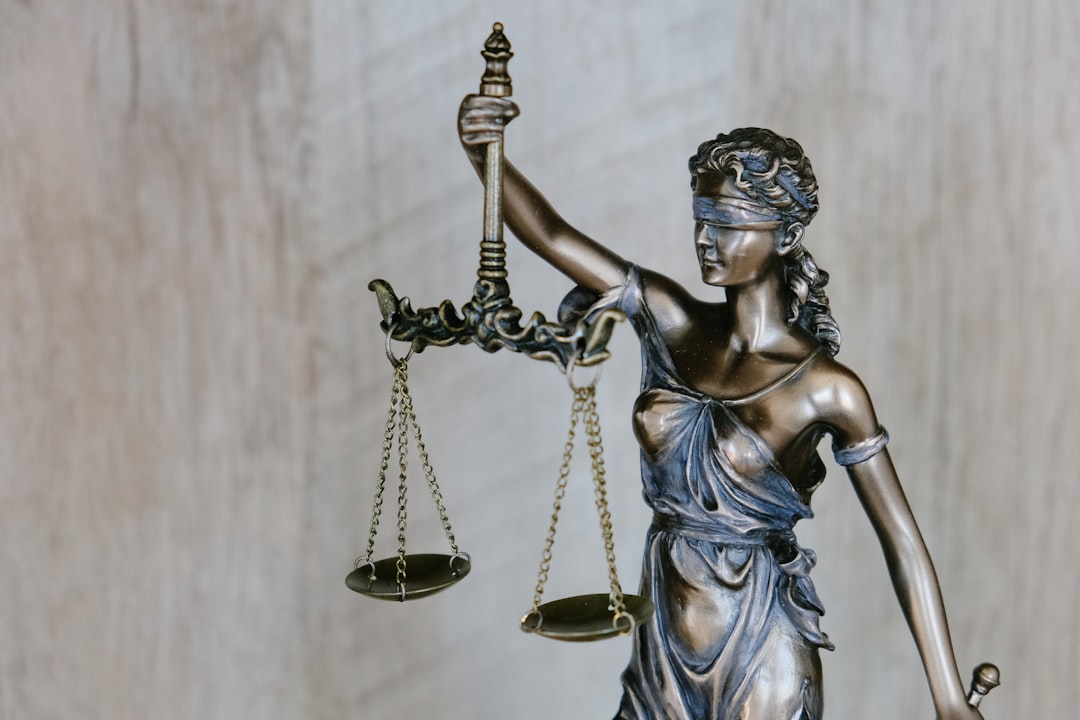
Iowa has stringent fair debt collection practices laws designed to protect consumers from aggressive or unfair tactics by debt collectors. These laws not only outline the rights of debtors but also prescribe strict guidelines for debt collectors, ensuring a balanced approach to debt recovery. Understanding these laws is crucial for both individuals facing debt and lawyers representing debt collectors in Iowa.
Key provisions include restrictions on when and how often debt collectors can contact consumers, requirements for validation of debts, and rules regarding the disclosure of information to third parties. For instance, debt collectors must cease contacting a consumer once they have made three unsuccessful attempts to communicate, and any further attempts require the prior consent of the debtor. They are also mandated to provide written notice within five days of initial contact, detailing the amount owed and the name of the original creditor.
Debt collection lawyers in Iowa play a vital role in ensuring these laws are adhered to, protecting both clients’ rights and their reputation. A lawyer for debt collectors in Iowa should possess in-depth knowledge of state laws and regulations, enabling them to guide their clients through the intricate process of debt collection while upholding ethical standards. By staying informed about legislative changes and best practices, legal professionals can navigate this complex landscape effectively, ensuring fairness for all parties involved.
Role of the Attorney General in Debt Collection

The Attorney General of Iowa plays a pivotal role in enforcing fair debt collection practices within the state. This official acts as a watchdog, ensuring that both debtors and creditors adhere to ethical standards during the debt collection process. One of their primary responsibilities is to enforce the Iowa Debt Collection Act (IDCA), which outlines the rights of consumers and the obligations of debt collectors. The Attorney General’s Office actively investigates complaints from consumers who believe they have been treated unfairly by debt collectors, providing a crucial safeguard against predatory practices.
In cases where debt collectors violate the IDCA or engage in harassing, abusive, or false representation tactics, the Attorney General can intervene directly. This intervention may include issuing cease and desist letters, filing legal actions against offending collectors, and seeking damages for affected consumers. Furthermore, the Attorney General collaborates with other state agencies to enhance consumer protection, such as the Iowa Division of Consumer Protection, ensuring a comprehensive approach to debt collection oversight.
A key aspect of this role is educating both parties about their rights and responsibilities. The Attorney General’s Office provides resources and guidance to help consumers understand their protections under federal and state laws, including the Fair Debt Collection Practices Act (FDCPA). Conversely, they also educate debt collectors on ethical practices, emphasizing the importance of transparency, fairness, and respect for consumers’ rights. For instance, a lawyer for debt collector in Iowa should be well-versed in these regulations to ensure their client’s compliance, thereby fostering trust and resolving disputes amicably. Regular training sessions and workshops organized by the Attorney General’s Office contribute to this education process, ensuring that all stakeholders remain informed about evolving legal landscapes.
Rights of Debtors: What You Need to Know

In Iowa, fair debt collection practices are enforced through a combination of state laws and federal regulations, with a strong emphasis on protecting the rights of debtors. Individuals facing debt collection in Iowa have several crucial protections under both the Federal Fair Debt Collection Practices Act (FDCPA) and the Iowa Collection Agency Act. These laws stipulate that debt collectors must provide valid and accurate information about the debt, refrain from using abusive, oppressive, or deceptive practices, and allow debtors to dispute the debt’s validity.
One of the key rights for debtors is the ability to request verification of the debt. This means a collector must prove they have the right to collect the debt from you. If a debtor questions the amount or authenticity of a debt, the collection agency has a legal obligation to provide documentation to support their claim. Additionally, Iowa law prohibits collectors from contacting individuals at inconvenient times or places, such as before 7:00 am or after 9:00 pm, unless the debtor consents to different hours. This ensures that debtors maintain a reasonable quality of life while dealing with debt collection efforts.
Another important right for Iowans is the ability to stop communication from collectors through what is known as a “do not contact” letter. This formal request informs the collector and any associated parties to cease all attempts to contact you about the debt. A lawyer for debt collector in Iowa can guide individuals on drafting and submitting such letters effectively. Furthermore, if a debtor feels their rights have been violated, they can file a complaint with the Iowa Attorney General’s Office or take legal action against the collection agency, which may include seeking damages for any harm suffered as a result of abusive collection practices. Understanding these rights is crucial in navigating the complex process of debt collection and ensuring fair treatment.
Enforcing Payment: Legal Procedures for Collectors

Iowa takes a stringent approach to enforcing fair debt collection practices, with comprehensive legal frameworks designed to protect consumers from abusive or unlawful tactics. At the heart of this system lies a robust set of procedures governing how debt collectors can pursue payment, ensuring that their methods remain legitimate and compliant. One key aspect is the requirement for debt collectors to adhere to strict legal boundaries when engaging with debtors, with significant consequences for non-compliance. For instance, Iowa law prohibits debt collectors from using abusive or harassing language, making false statements about the debt, or employing unfair practices such as threatening violence or illegal action.
To enforce these regulations, Iowa’s Attorney General’s Office actively monitors and investigates complaints against debt collection agencies. Individuals who believe they have been treated unfairly by a collector can file a complaint, which triggers an examination into the alleged violations. This process often involves interviews with both parties, review of documentation, and analysis of the collector’s conduct against relevant laws. If a violation is found, the Attorney General’s Office has the authority to issue cease-and-desist orders, levy fines, or even bring legal action against the offending party. A recent report revealed that Iowa’s active enforcement resulted in substantial penalties for several debt collection agencies found guilty of misconduct.
Moreover, debtors have specific rights under Iowa law that must be respected by collectors. This includes the right to request verification of the debt and to contest its validity. Lawyers for debt collectors in Iowa are expected to be well-versed in these legal protections, ensuring that their clients’ practices remain compliant. For instance, when seeking payment, collectors must provide clear and accurate information about the debt, including the name of the original creditor and a description of the outstanding balance. Failure to do so can undermine a collector’s case and entitle the debtor to legal recourse. Understanding these procedures is vital for both debtors and collectors to navigate the complex landscape of debt collection practices in Iowa effectively.
When to Involve a Lawyer for Debt Collector Issues in Iowa
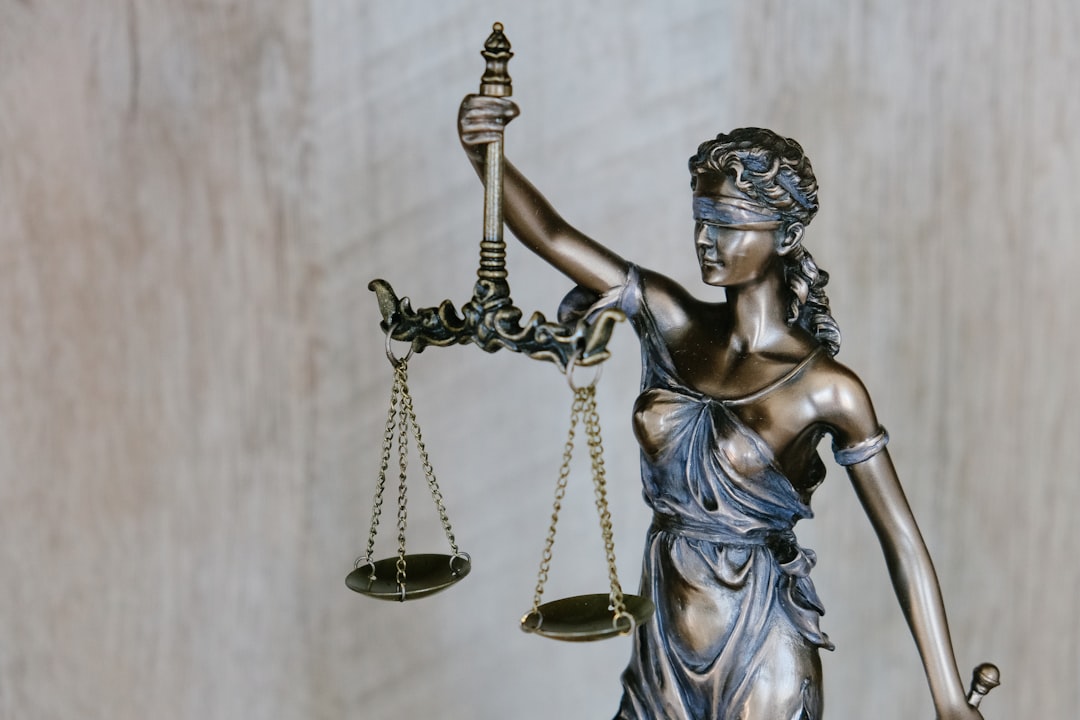
In Iowa, fair debt collection practices are enforced by both state and federal laws, with the Federal Trade Commission (FTC) guidelines also carrying significant weight. The Iowa Code Chapter 535, which governs collections, outlines specific rules that debt collectors must adhere to, including restrictions on harassment, false or misleading representations, and unfair practices. However, despite these regulations, consumers often face challenges when dealing with debt collectors. Knowing when to involve a lawyer for debt collector issues is crucial in ensuring your rights are protected.
A lawyer for debt collector laws Iowa experts can provide invaluable assistance when the collection process crosses legal boundaries or becomes unmanageable. For instance, if a debt collector uses abusive language, threatens physical harm, or employs unlawful tactics to extract payments, legal intervention is warranted. Furthermore, if you believe the debt collector is misrepresenting the amount owed, failing to verify the debt, or engaging in unfair practices such as contacting family members or employing illegal collection methods, consulting a lawyer becomes essential. According to a report by the Iowa Attorney General’s Office, many consumers successfully resolved their disputes with debt collectors through legal action, underscoring the importance of professional legal counsel.
Practical advice for consumers includes maintaining detailed records of all communications and transactions with debt collectors. This documentation can serve as compelling evidence if a dispute arises. Additionally, staying informed about your rights under Iowa law is crucial. A lawyer specializing in debt collector laws Iowa can guide you through the intricacies of these regulations, ensuring that your rights are upheld throughout the collection process. Ultimately, involving a legal professional early on can prevent violations from escalating and protect you from further financial harm.